Skip to content
Header image

Sustainable Revenue

1.

Hydro

The Micro Hydro Plant, managed by Cambrian Village Trust (CVT), is a pioneering example of community-led renewable energy and sustainability in action. Located in Clydach Vale, the hydro scheme has become a vital asset in helping local facilities reduce costs, remain operational, and deliver essential services to the community—all while reducing environmental impact.

1.

Hydro

The Micro Hydro Plant, managed by Cambrian Village Trust (CVT), is a pioneering example of community-led renewable energy and sustainability in action. Located in Clydach Vale, the hydro scheme has become a vital asset in helping local facilities reduce costs, remain operational, and deliver essential services to the community—all while reducing environmental impact.

Origins and Partnership History

The hydro project was originally developed around 15 years ago as a collaborative initiative between Cambrian Village Trust, the then Communities First Partnership, and Cwmclydach Community Development Centre. Its goal was simple yet ambitious: to provide a renewable energy source capable of supporting the running costs of two key community facilities in the Clydach Vale area.

Following the conclusion of the Communities First programme and a change of governance at the Cwmclydach Centre, the partnership unfortunately dissolved. The new board opted out of the project, ceasing operations and halting the shared use of its benefits. After a lengthy period of negotiation—including legal consultation—CVT was granted full ownership and operational control of the hydro scheme.

Reactivation and Strategic Investment

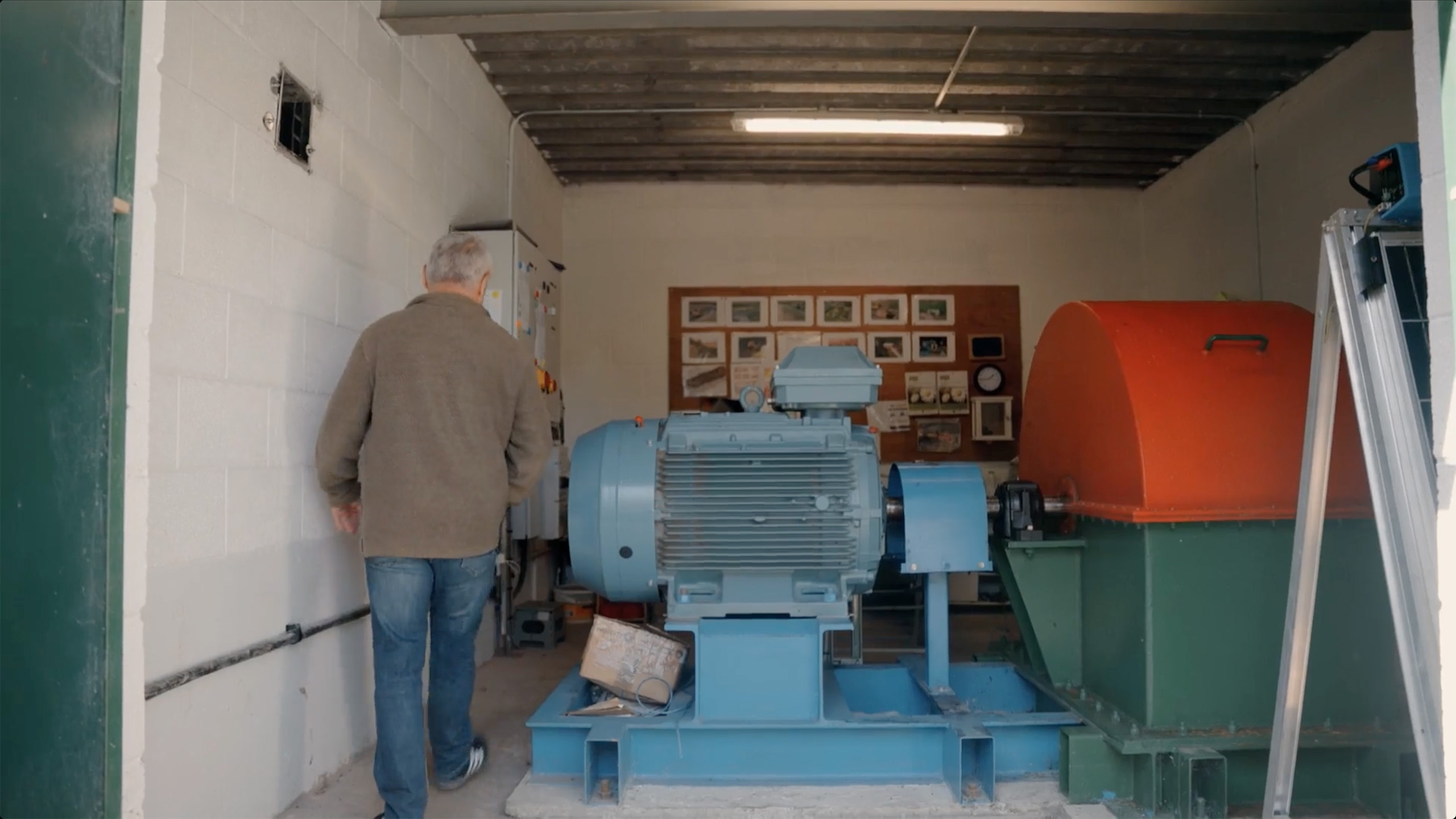
Upon regaining control, CVT recognised the plant required technical repair and financial investment to resume full functionality. Working with PICO Energy, the Trust restored the turbine, bringing it back online at a critical time—just as the UK entered a period of severe energy price inflation.

Recognising the potential to protect local services from energy volatility, CVT made a strategic decision to invest in a direct cable connection from the hydro turbine to the on-site meter at the Lakeside Community Café. This innovative move allowed the facility to directly benefit from locally generated, zero-carbon electricity, significantly reducing energy bills and increasing financial resilience.

Impact and Cost Savings

The effect of the hydro plant has been profound. The Café is now virtually self-sustaining in its electricity needs, with the plant powering daily operations for much of the year. During dry periods—such as April 2025, when the turbine was inactive due to unusually low water flow—the Café’s electricity bill rose to £2,900.00. In contrast, March 2025, a month of full hydro operation, saw a bill of just £360.00, of which only £86.00 was actual energy usage, with the rest attributed to fixed and metering charges.

In addition to cost savings, the hydro system also generates income. When the Café is closed and electricity is not being consumed on-site, surplus energy is exported to Welsh Water, earning £30,000.00 in revenue in the last financial year alone. This income is reinvested into the community, strengthening services and programmes across CVT’s portfolio.

Volunteer-Driven Success

The successful operation and maintenance of the hydro plant would not be possible without the commitment of local volunteers. Gareth Thomas and Spencer Coombes provide hands-on support to keep the turbine running efficiently, while Mark Stevenson, a CVT board member, manages the regulatory, reporting, and financial aspects of the project.

These dedicated individuals embody the spirit of community ownership and environmental stewardship, and their ongoing support ensures the long-term sustainability of the scheme. CVT owes them a considerable debt of gratitude.

Conclusion

The Micro Hydro Power Plant is a shining example of what is possible when innovation, community leadership, and sustainability converge. It provides essential energy security for local facilities, generates income for reinvestment, and reduces environmental impact. In a time of rising costs and climate uncertainty, this project stands as a beacon of resilience and local empowerment—and a model for other communities seeking to take control of their energy future.

2.

Lakeside Community Cafe

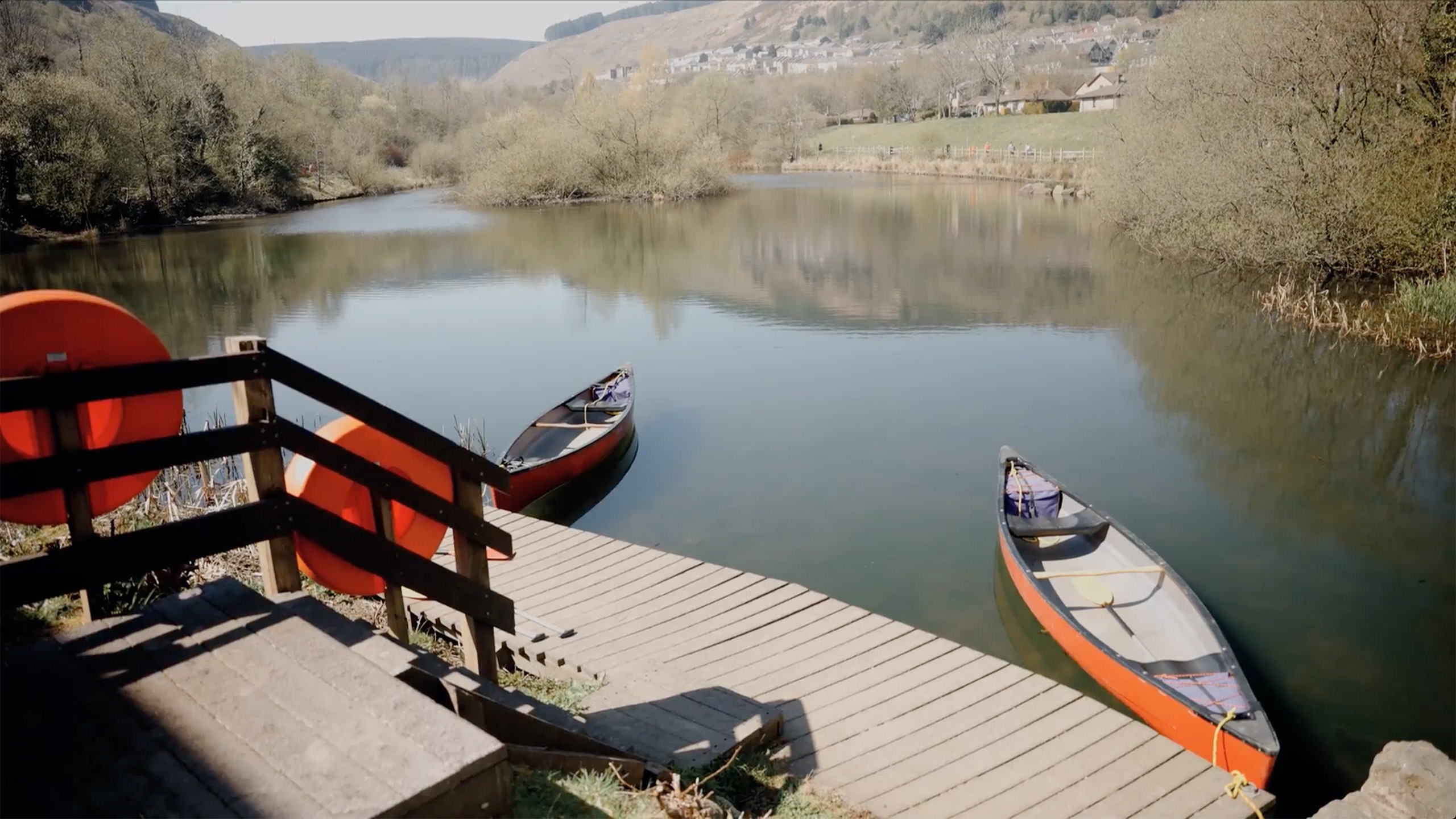
The Lakeside Community Café, operated by Cambrian Village Trust, is a thriving social enterprise located at the heart of Clydach Vale Countryside Park. Established in 2005, the café has transformed a once-derelict building into a vibrant community hub, significantly contributing to the regeneration and increased use of the park.

2.

Lakeside Community Cafe

The Lakeside Community Café, operated by Cambrian Village Trust, is a thriving social enterprise located at the heart of Clydach Vale Countryside Park. Established in 2005, the café has transformed a once-derelict building into a vibrant community hub, significantly contributing to the regeneration and increased use of the park.

Origins and Development

The Lakeside Centre was originally constructed to house a small café and tourism support services. However, due to significant structural issues, the site remained unused for several years, falling into a state of disrepair and becoming a detriment to the landscape and community.

In 2005, following a long-term lease agreement with Rhondda Cynon Taf County Borough Council (RCTCBC), Cambrian Village Trust took over the site. With minimal resources and just two initial staff members—Amanda Newman (Manager) and Maggie Short (Cook)—the Lakeside Café Bar was launched. Business began modestly but steadily grew year-on-year, leading to increased staffing and service expansion.

Today, the Café employs approximately 17 staff members, including cooks, baristas, and front-of-house personnel, serving as a cornerstone of the local economy and a significant community employer.

Community Impact and Services

The Lakeside Community Café has become an integral gathering point for residents and visitors alike. It regularly hosts a range of community activities and events such as:

– Coffee mornings

– Family lunches

– Nature walks

– Birthday celebrations

– Baby showers

– Funeral receptions

– Meetings and training sessions

Its welcoming atmosphere, scenic views, and access to the rich biodiversity of the surrounding lakes and trails make it a unique destination in the region.

Environmental Sustainability

A notable achievement of the Café is its commitment to sustainability. The facility is powered by its own micro-hydro power plant, directly connected to the meter, enabling the Café to operate independently of the national grid and significantly reducing its environmental footprint.

Growth and Infrastructure Development

Due to the Café’s continued success and rising visitor numbers, the Centre has undergone several structural extensions and operational enhancements. Current offerings include:

– Daytime meal service

– Evening meals on Mondays, Thursdays, and Fridays (with plans to expand to Saturdays)

– Sunday lunch service, now expanded to two sittings

The growth of the Café has also acted as a catalyst for broader improvements across the Countryside Park, including:

– Enhanced pathways and bridges

– Updated signage

– Introduction of health and wellbeing activities such as canoeing and Nordic walking

The increased footfall has prompted plans for the development of a new secondary car park to better accommodate visitors.

Recognition and Future Prospects

The continued development of the Café and surrounding amenities has led to the designation of Clydach Vale as the second official Country Park in Rhondda Cynon Taf. New brown tourism signage is set to be installed, further raising the profile of the area and supporting ongoing visitor engagement.

3.

3G Pitch

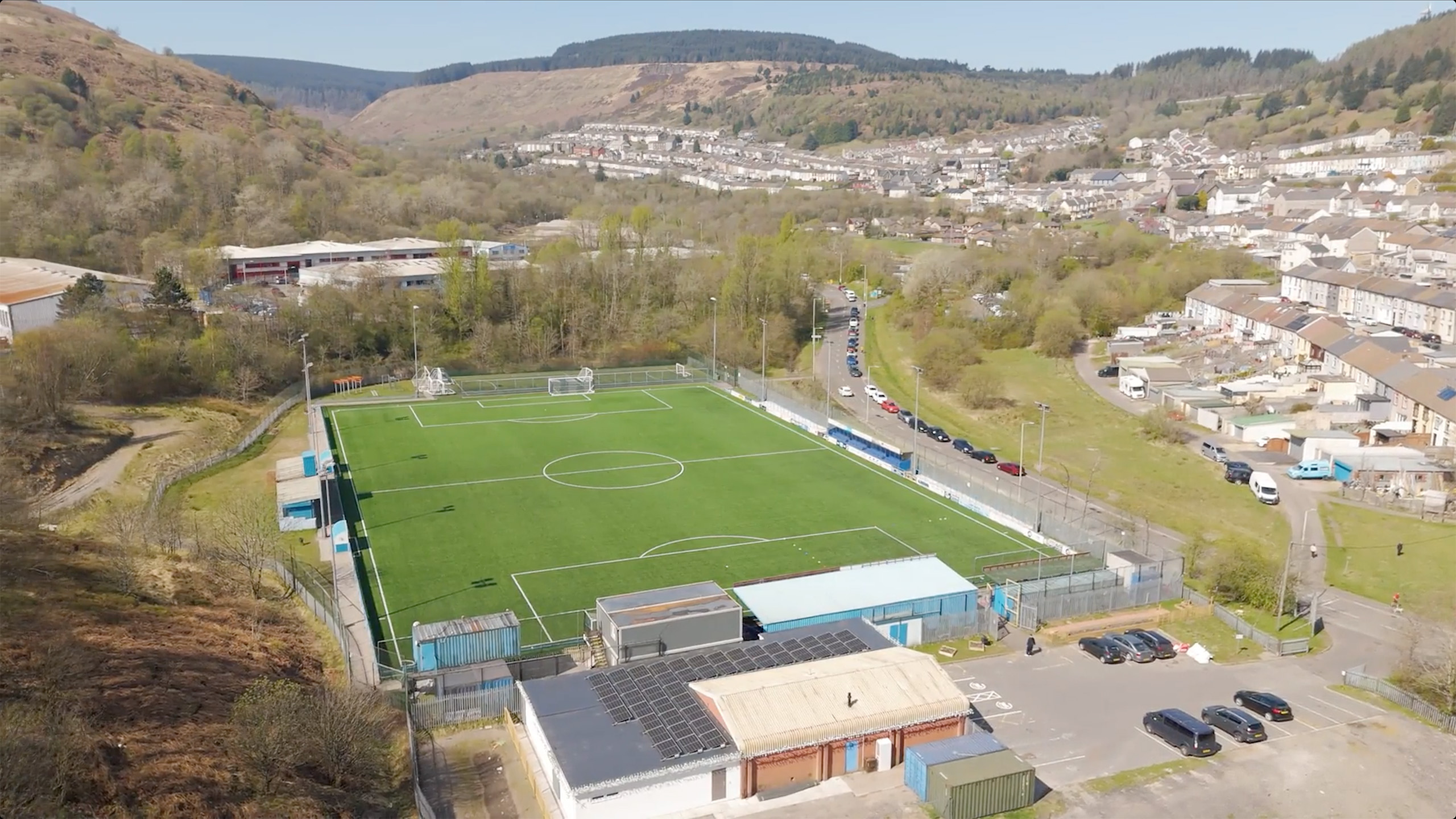
The 3G pitch development, led by Cambrian Village Trust (CVT) in partnership with Cambrian United Football Club, stands as one of the most significant community sport infrastructure projects in Rhondda Cynon Taf. It has not only revitalised local football participation but also established a comprehensive sporting and wellbeing hub in one of the most deprived areas of South Wales.

3.

3G Pitch

The 3G pitch development, led by Cambrian Village Trust (CVT) in partnership with Cambrian United Football Club, stands as one of the most significant community sport infrastructure projects in Rhondda Cynon Taf. It has not only revitalised local football participation but also established a comprehensive sporting and wellbeing hub in one of the most deprived areas of South Wales.

Origins and Community Need

Cambrian Village Trust was founded with a strong focus on developing football in the local community. At the time, Cambrian United FC faced a decline in player participation, limiting the number of age groups the club could support. To address this challenge, CVT employed its first Community Football Coach, who began engaging with local schools to stimulate interest in the sport at a grassroots level.

The success of this engagement led to the appointment of a second coach. The growing momentum caught the attention of the Coalfields Regeneration Trust, who commissioned CVT to deliver their flagship youth football initiative, Game On. At its peak, the project employed six football coaches and supported school-based programmes across the region. The Game On programme remains active today under the Coalfields Trust, reaching hundreds of young people across coalfield communities in Wales.

Growth and Development of Elite Pathways

As community participation surged and the quality of coaching improved, CVT was invited to take over delivery of the UEFA Academy for the RCT area. This elite development programme catered to talented players aged 11 to 19 from across the borough, providing structured pathways for progression into professional football.

In response to the growing demand for year-round, all-weather facilities, CVT began planning for a full-size 3G pitch—the first of its kind in Rhondda Cynon Taf. After extensive consultation and planning, funding was secured through a combination of sources, including the Welsh Government Community Facilities Programme, RCT Welsh Church Act Fund, and other regional contributors.

Facility Impact and National Recognition

The completed 3G facility quickly became the cornerstone of one of Wales’ leading football academies, recognised by the Football Association of Wales (FAW) as a model of best practice. The pitch has enabled countless young players from across the region to develop their skills, many of whom have gone on to secure professional contracts with clubs across the UK.

Importantly, the 3G pitch also became a multi-sport platform, supporting the growth of a junior section within the local Rugby Club—now boasting approximately 200 young players. This expansion into rugby has opened up new opportunities for young people to stay active, learn teamwork, and maintain both physical and mental wellbeing through sport.

What was once a declining sports landscape in a deprived area has now transformed into a dynamic, inclusive environment that promotes sport, education, health, and opportunity.

Sustainability and Expansion

In line with best practice asset management, the 3G pitch recently underwent a full resurfacing after completing its initial 10-year lifecycle. This replacement was funded through a dedicated sinking fund, supported by Rhondda Cynon Taf Council, ensuring long-term sustainability of the facility.

The 3G pitch now supports a wide range of activities and services, including:

– Boys’ and girls’ football training and matches

– Elite academy sessions

– Community football leagues

– Junior rugby

– Health and wellbeing programmes

Future Development and Community Integration

In addition to the pitch itself, the surrounding facilities continue to expand and evolve into a full-fledged Community Sports & Health Hub. Current and upcoming developments include:

– A dedicated NHS Health Hub

– Community gym and fitness suite

– Physiotherapy and rehabilitation services

– Modern changing facilities for male and female players and officials

These enhancements reflect CVT’s holistic approach to community development—combining sport, health, and wellbeing in one integrated environment.

Conclusion

The development of the 3G pitch by Cambrian Village Trust is a powerful example of how targeted investment, community partnerships, and strategic vision can transform a local area. What began as a solution to declining participation in youth football has grown into a nationally recognised sporting hub that champions inclusivity, sustainability, and opportunity for all.

The facility now serves as a beacon of community-led regeneration in the Valleys—delivering sporting excellence, promoting health and wellbeing, and inspiring the next generation.
4.

Alternative Education

CVT was set up in 2001 with the original aim of offering football opportunities to young people in our area. Now, CVT runs an array of activities and projects, including supporting adults with learning difficulties, alternative education, walking groups, gardening, friendship groups, supporting youth and supporting those with dementia, woodworking workshops, mental health hub, repair centre as well as sports activities.

4.

Alternative Education

Most of these activities are run onsite at our base, located in Cwmclydach Country Park where we are also actively working to protect the biodiversity in the natural environment.

We have teamed up with 4D academy who look after all our quality assurance elements from registering students to awarding bodies, observing lessons, internal verifying students work and much more.

We are truly grateful for this partnership which allows CVT to create brighter pathways for students in RCT.

Each day attendance will be monitored and sent to a nominated person in your school 30 minutes after the start of the session.

Each half term your school will receive an electronic report on each individual in our provision. This gives us a chance to update you on their progress and set up intervention meetings if needed.

In order to provide quality provision for your school, all our staff have:

DBS enhanced checks, registered with the Education Workforce Council, level 1 safeguarding training and basic first aid training.

Onsite at our sports ground we have received investment of over £750,000 to upgrade facilities, this includes:

– Four changing rooms

– Indoor gym & equipment

– Three classrooms

– 3G football pitch

– Outdoor gym

At the sports ground we can house one-to-one or group provision with more space available at the CVT Head Office.

At our head office, just 200 yards away from our sports ground we have facilities that allow us to offer woodwork, bushcraft, gardening and paddle sports provision, this includes:

– Small classroom

– Large classroom

– Lakeside Cafe

– Sensory gardens

– Bushcraft area

– Countryside area

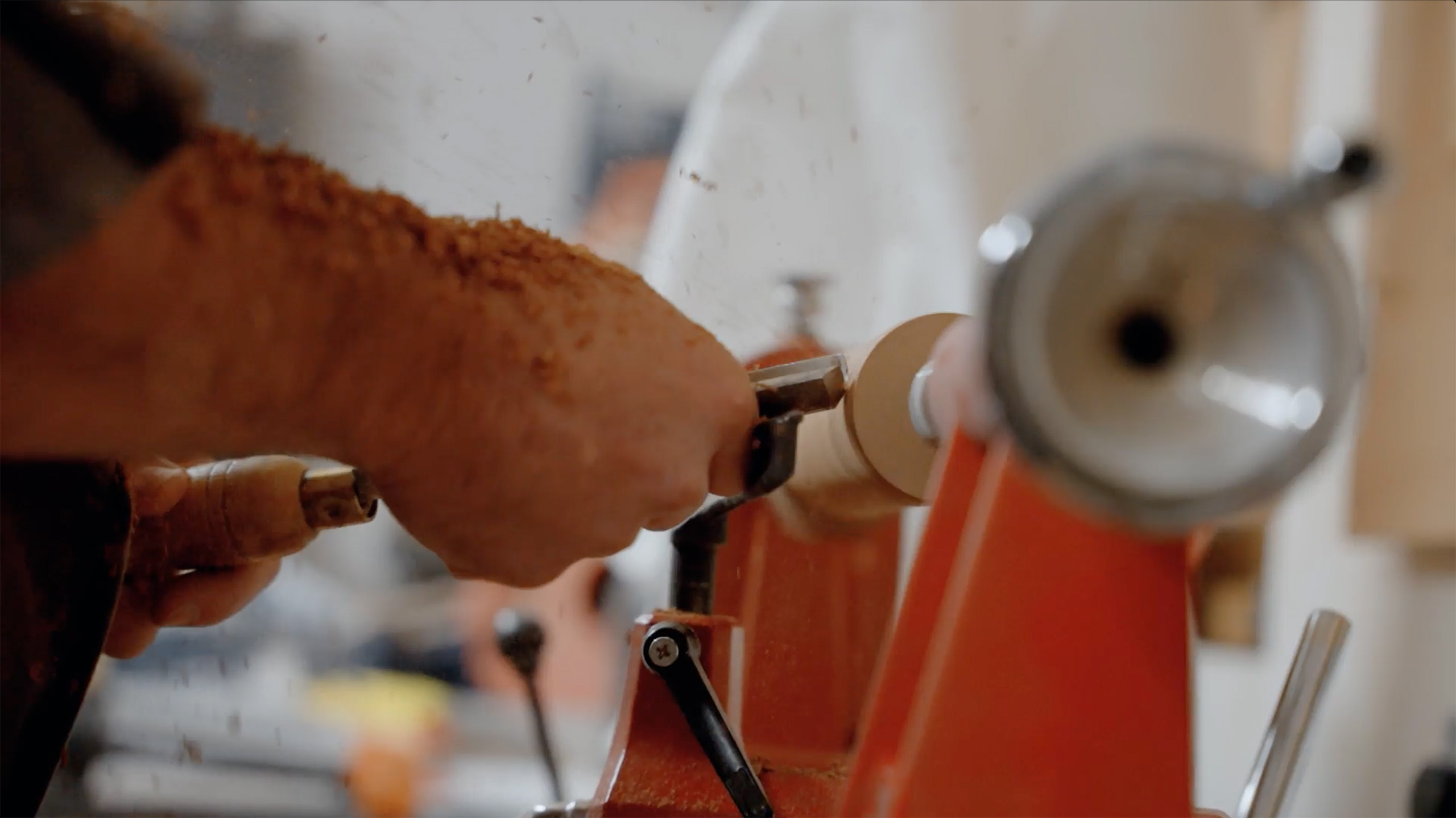
– Woodwork workshop

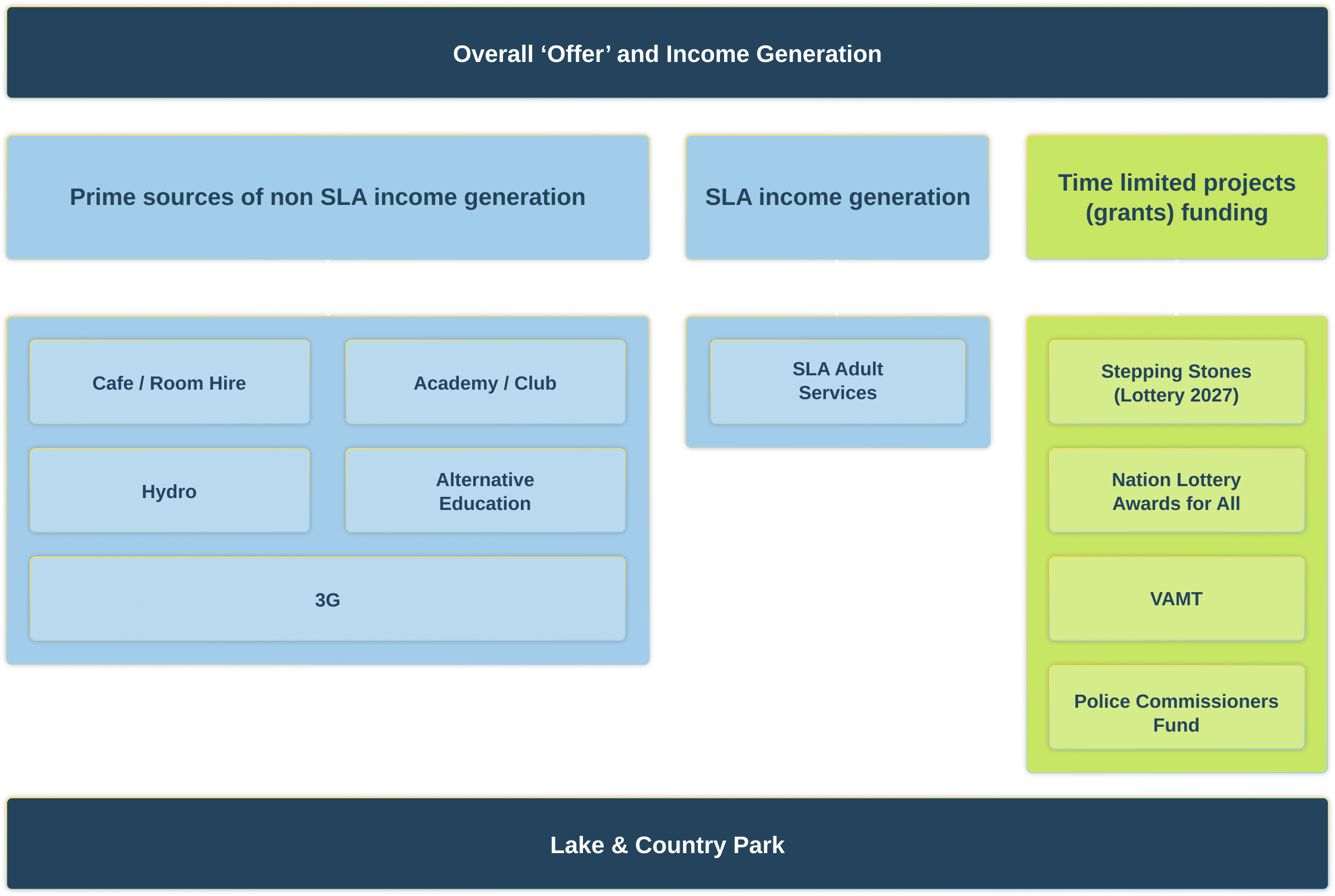
Cambrian Village Trust Strategic Overview